0
- ONLINE GROCERY
- OUR HISTORY
- BLOG
- CONTACT
- MY ACCOUNT
- PRO
2,30 €35,20 € /kg
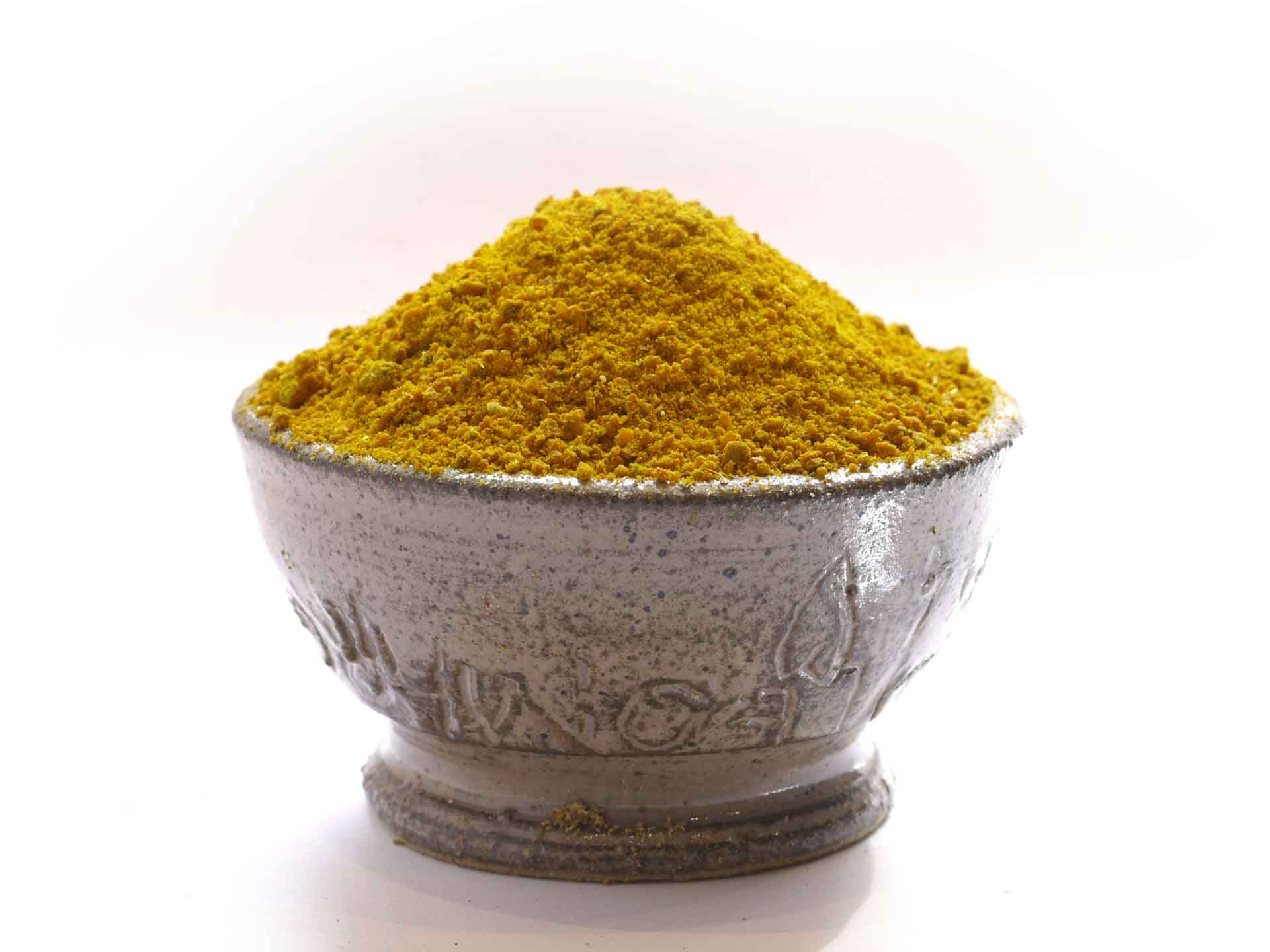
A common ingredient in curries and curry powder, it is often used in Indian cuisine to color dishes. Like ginger, Suroma turmeric powder has the highest curcumin content, at around 10%.
And as always, our spices are ground to order for freshness and flavor, one of the hallmarks of Place des Epices.

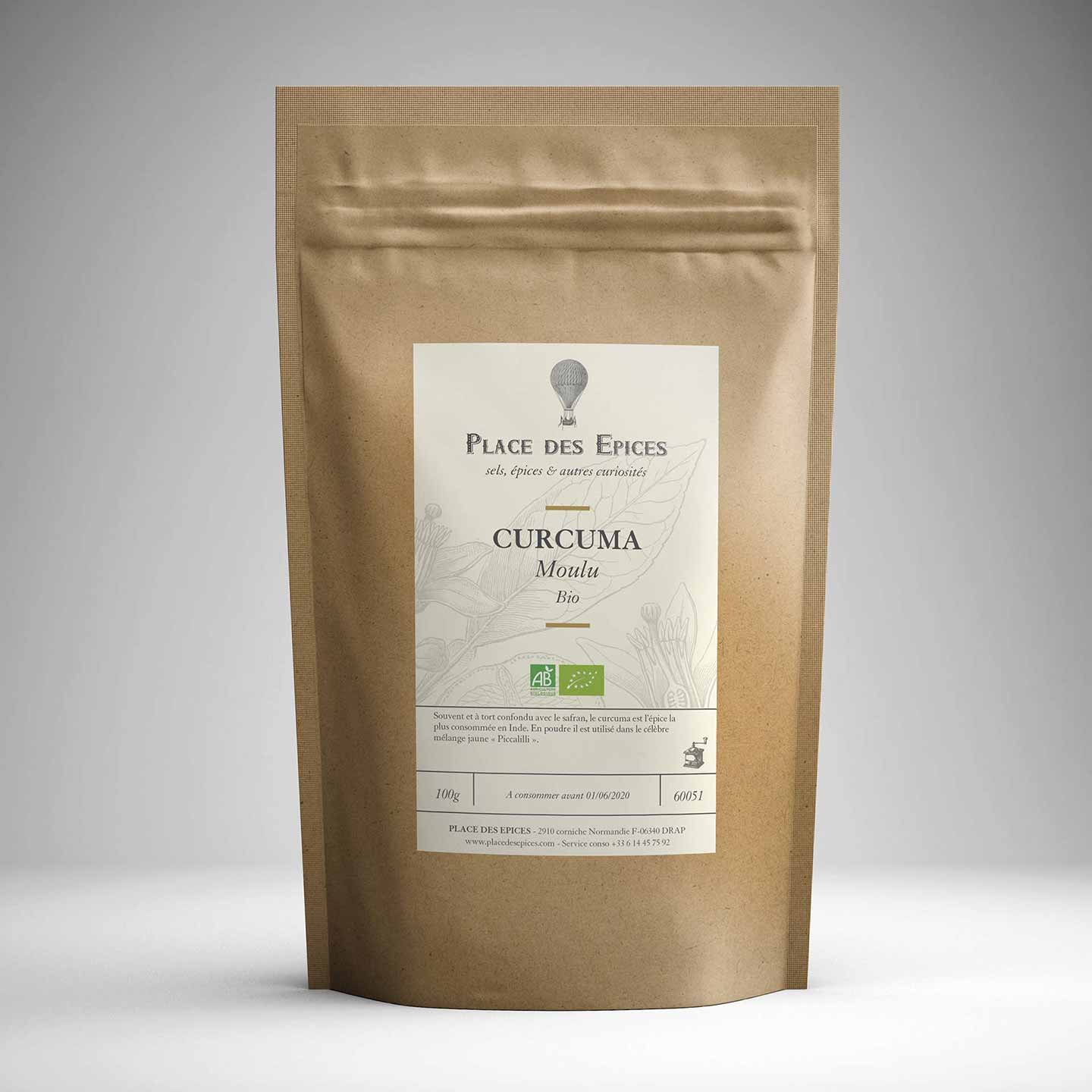
Often mistaken for saffron, organic turmeric is the most widely consumed spice in India. In powder form, it is used in the famous yellow "Piccalilli" blend. As a rhizome, it is rarely eaten fresh (in the ginger family). Turmeric is boiled, then dried for a few weeks, before being sold chopped (shown here) or ground into a very fine powder.
Le curcuma est une plante vivace herbacée, haute de 100 à 150 cm. Érigée et rhizomateuse, elle est aussi appelée Safran des Indes ou Turmeric (en anglais) ; elle produit de longues feuilles lancéolées, de nombreuses fleurs mais jamais de fruit. C’est l’un des inconvénients de sa multiplication qui se fait uniquement par voie clonale.
Appartenant à la famille des Zingybéracées, le curcuma se décline essentiellement sous deux espèces : Curcuma aromatica (le curcuma sauvage) et Curcuma longa (un hybride stérile naturalisé), l’espèce domestiquée en Inde pour la production de rhizomes.
Très certainement originaire d’Asie du sud, le curcuma pousse sous les climats humides et chauds (tropicaux à fortes précipitations ou cultures irriguées), à une altitude de 450 à 900m (voire jusqu’à 1200m sur les contreforts de l’Himalaya), dans un sol limoneux riche, à mi-ombre. Récoltés 7 à 12 mois après la plantation, les rhizomes sont alors bouillis pendant une heure puis séchés une semaine au soleil.
Before it was a spice, turmeric was a medicinal plant used in China and India since 4000 BC. It protects the liver and stomach, and combats ulcers and intestinal inflammation. Fluidifying the blood, it reduces the risk of heart disease and prevents cell ageing through its antioxidant action. Applied as a poultice, it also relieves eczema, mycosis and psoriasis. It produces curcumin, a powerful anti-inflammatory effective against rheumatism. It is widely used as a dye in West Africa (fabric, religious rites).
By bringing curries back from India, the British introduced turmeric to Europe, albeit very recently. This has not prevented the WHO from recognizing its efficacy in treating stomach disorders, while numerous scientific studies are being carried out on curcumin and its efficacy in treating certain cancers.
Common name: Curcuma
Botanical name: Curcuma longa L.
Botanical family: Zingiberaceae
Part used: Rhizome
Origin: India
Harvesting time: ND
Harvesting technique: Manual
Storage : Dry
Cultivated / Wild : Cultivated
Guarantee: Organic, certified by FR-BIO-01
Storage conditions: Protect from heat, light and humidity.
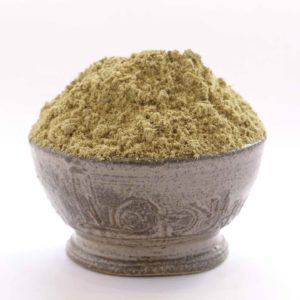
Shape: Powder
Color: Orange to brown
Odor: Faint, Slightly pungent, Musky, Pungent
Taste: Aromatic, Characteristic, Slightly pungent
| Weight | 50 g |
|---|---|
| Continent-Country | Asia |
| Color | Orange |
| Botanical nomenclature | Curcuma longa L. |
| Weight | 80g box, 50g pouch, 100g pouch, 200g pouch, 500g pouch |
| Grinding | fine powder |