0
- ONLINE GROCERY
- OUR HISTORY
- BLOG
- CONTACT
- MY ACCOUNT
- PRO
7,90 €132,80 € /kg
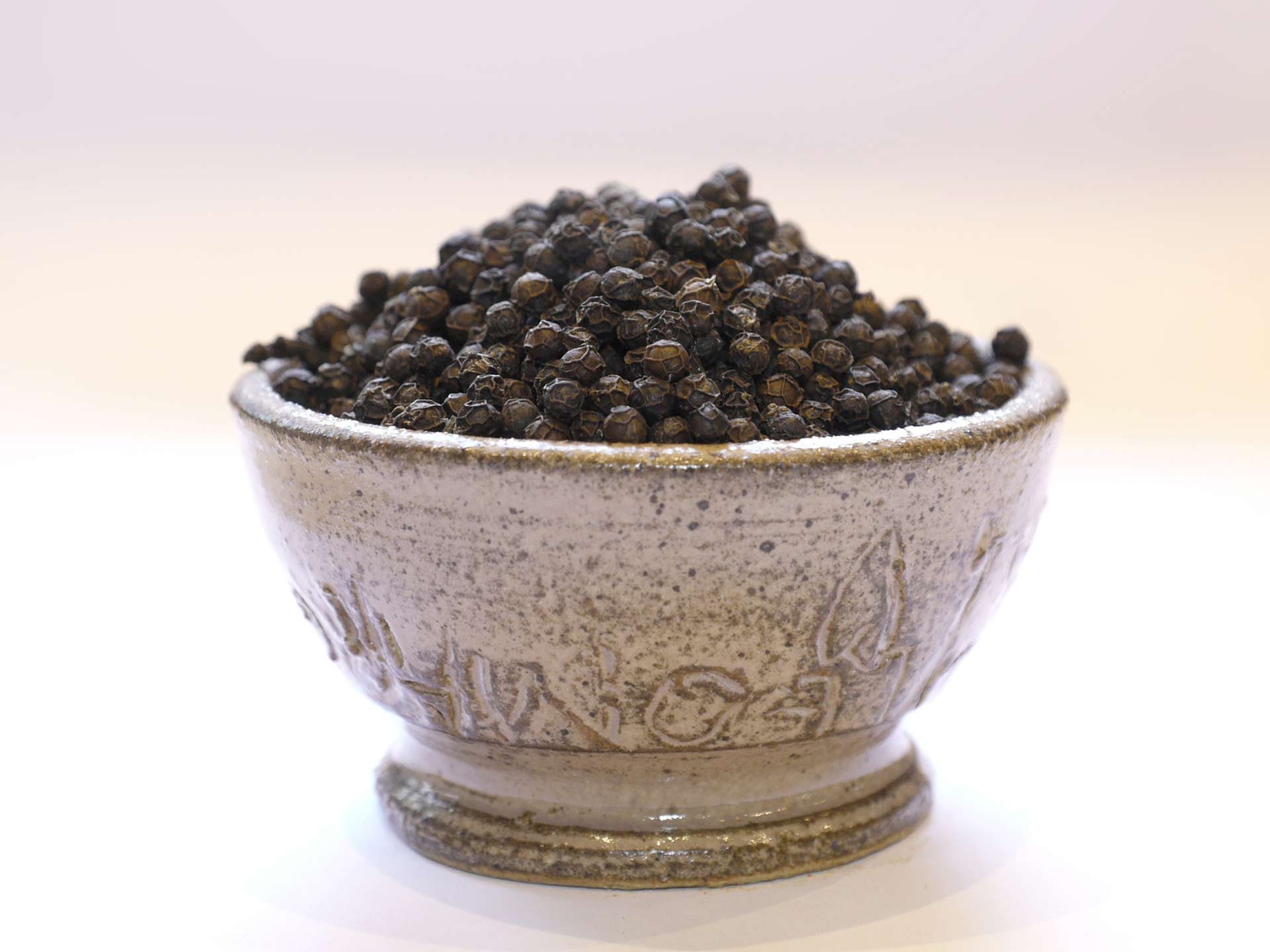
Originally from Cameroon, piper nigrum from India arrived in Africa in 1930. The first PGI on the African continent, Penja black pepper is a sure bet for pepper lovers.
Now available in organic here
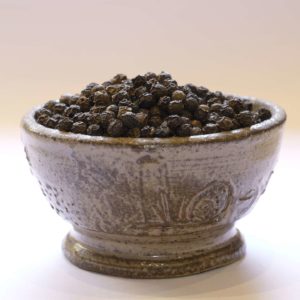
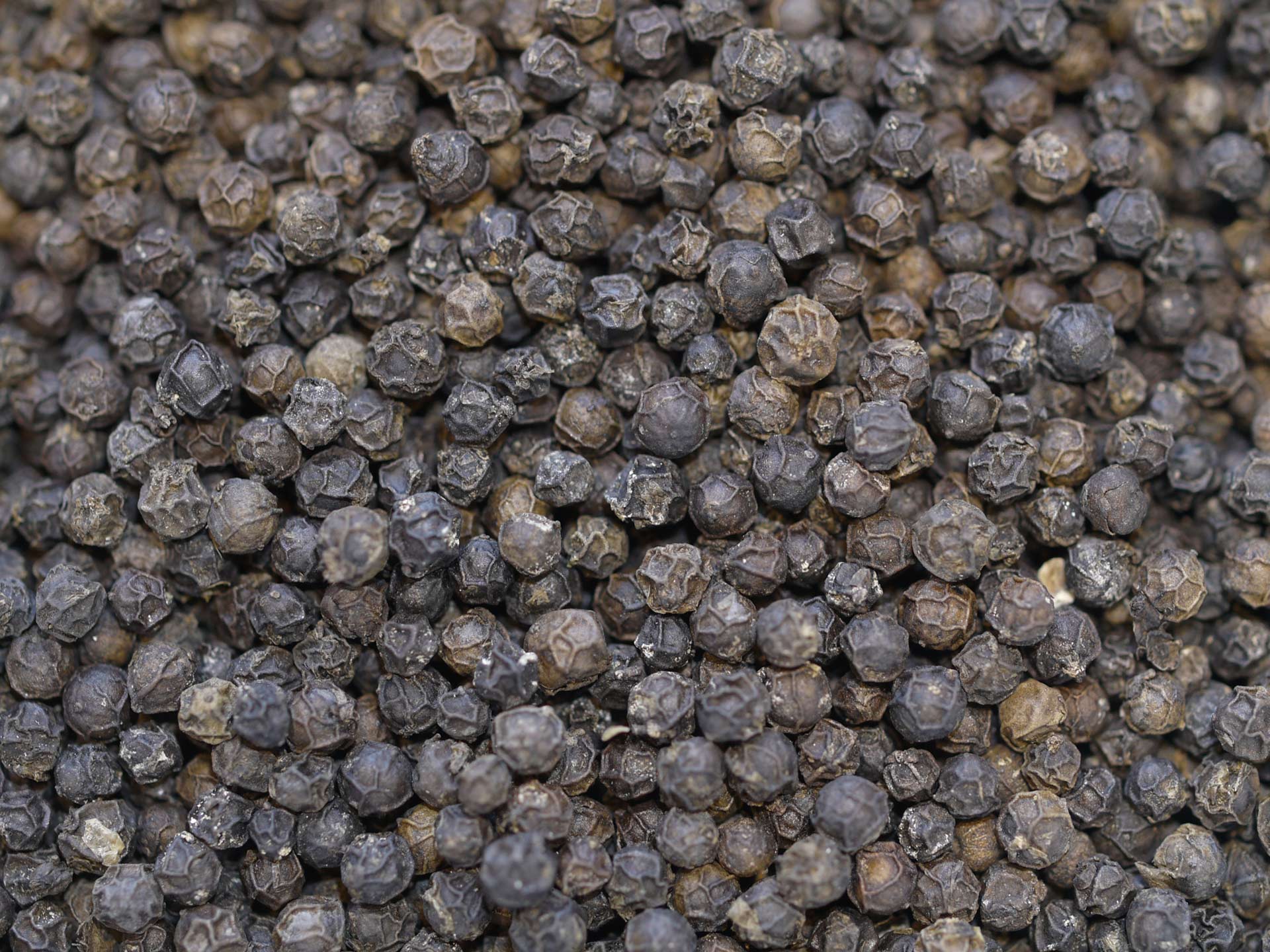
Varied-colored, creamy grapes. Powerful, fairly full-bodied and long-lasting on the palate. Its notes are heavy, refined, woody, amber and musky.
Ideal with red meats and poultry in sauce.
Growing wild in the savannah, Penja pepper was awarded Africa's first PGI in 2013, along with Moroccan honey and argan oil. Once crushed, it gives off its full aroma. It enhances red meats, poultry and other dishes with spicy sauces.
Penja pepper is grown in the Littoral region of Cameroon (one of the 10 regions), more precisely in the Moungo district. In Cameroon, it's known as the country's granary. It has always been a very rich agricultural region. Its proximity to the sea and the presence of important waterways made it a gateway for the conquest of the North-West regions, and a privileged zone for the start-up of a crop of exotic products dedicated to supplying European markets. As a result, agriculture has been massively developed by European settlers since the end of the 19th century, with many commercial exchanges. Until decolonization, this development took place mainly through the establishment of large capitalist plantations. Cocoa was introduced by German settlers, followed by bananas and coffee under the English and French colonial powers. The local population thrives on the demand for labor, and is encouraged to plant these same crops to increase global production, which they base on family labor. As the market economy spread throughout the country, major migratory movements took place, in particular to the Moungo region thanks to its rich soil and growing economy.
En 1960, le Cameroun accède à son indépendance et la région anglaise est rattachée au reste du pays en 1961. Toutefois, le secteur agricole continue à se développer sur le même modèle même si des entreprises publiques apparaissent. Anciens colons, les entrepreneurs français détiennent toujours de nombreuses entreprises. Ce modèle dure jusqu’aux années 1980, faisant du Moungo l’un des districts les plus développés du Cameroun. Par la suite, le mouvement de libéralisation du marché au niveau mondial laisse le secteur aux fluctuations des prix internationaux des produits de base. Au cours des années 90, le café a été remplacé par le cacao, les arbres fruitiers (notamment la papaye) et l’ananas. Un mouvement similaire se produit dans les années 2000 avec une perte de compétitivité élevée sur le marché de l’ananas et une stagnation des prix du cacao. Il s’agit là d’un facteur important dans la dynamique de conversion en culture du poivre. Depuis le début des années 2000, les Plantations du Haut Penja (PHP), société capitaliste française, est devenue un acteur économique majeur dans la région avec l’acquisition de grandes plantations locales. Aujourd’hui, elle régit plus de 4000 ha de terres, principalement sous culture de bananes.
Since 2013 and the start of the PGI, prices have risen sharply. On the whole, growers have managed to secure their share of the pepper's value. However, rising prices are driving more and more operators into the market. Between 2009 and 2016, the price per tonne of pepper tripled.
Botany: Piper nigrum L. (INPN)
Origin: Moungo, Cameroon, Africa
Ingredients: 100% black Penja pepper
Storage: Several years, protected from light and humidity.
Product strength: 6 (Scoville)
| Weight | 50 g |
|---|---|
| Botanical nomenclature | Piper nigrum L. |
| Weight | 50g box, 50g pouch, 100g pouch, 250g pouch, 500g pouch |
| Continent-Country | Africa |